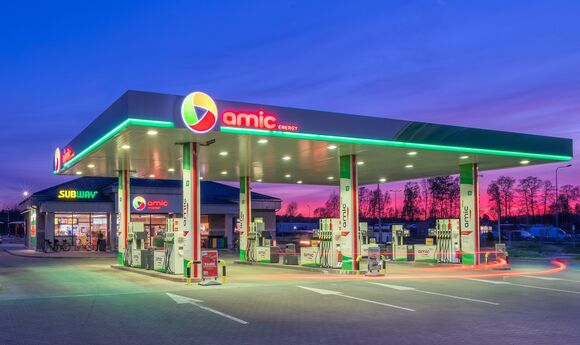
Russian attacks continue to inflict significant damage on Ukraine’s fuel market. Over the past two months, the number of Ukrainian filling stations hit by Russian FPV drones, UAVs, and other weapons has increased substantially. The enemy has changed its tactics and, in addition to targeting infrastructure facilities, including oil depots, has begun actively striking fuel stations, especially while fuel is being dispensed to customers.
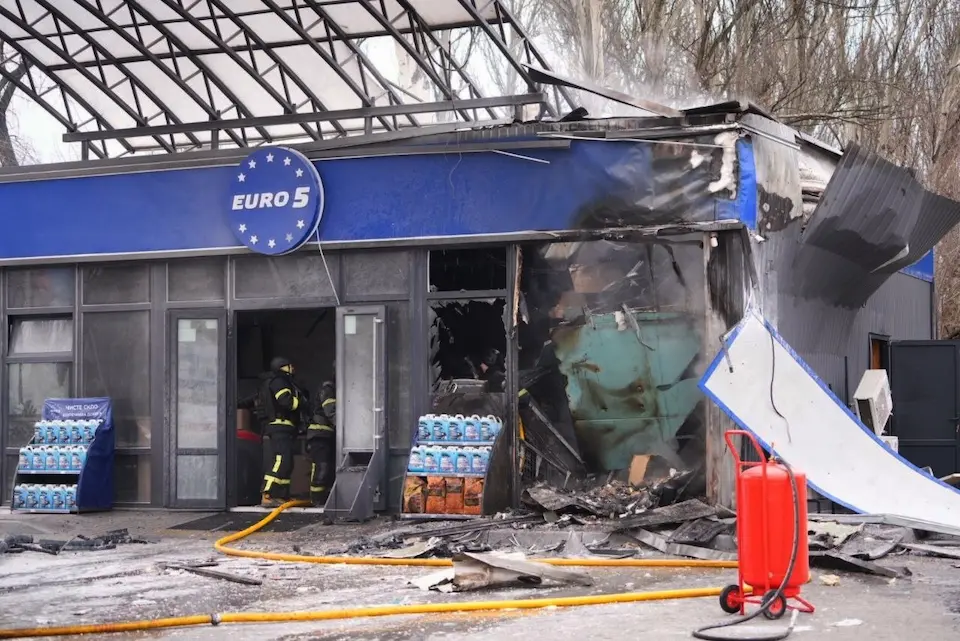
NaftoRynok conducted a study of national and local fuel station chains operating in frontline regions. According to NaftoRynok, the total number of damaged filling station complexes over the past two months has now reached at least 137 facilities.
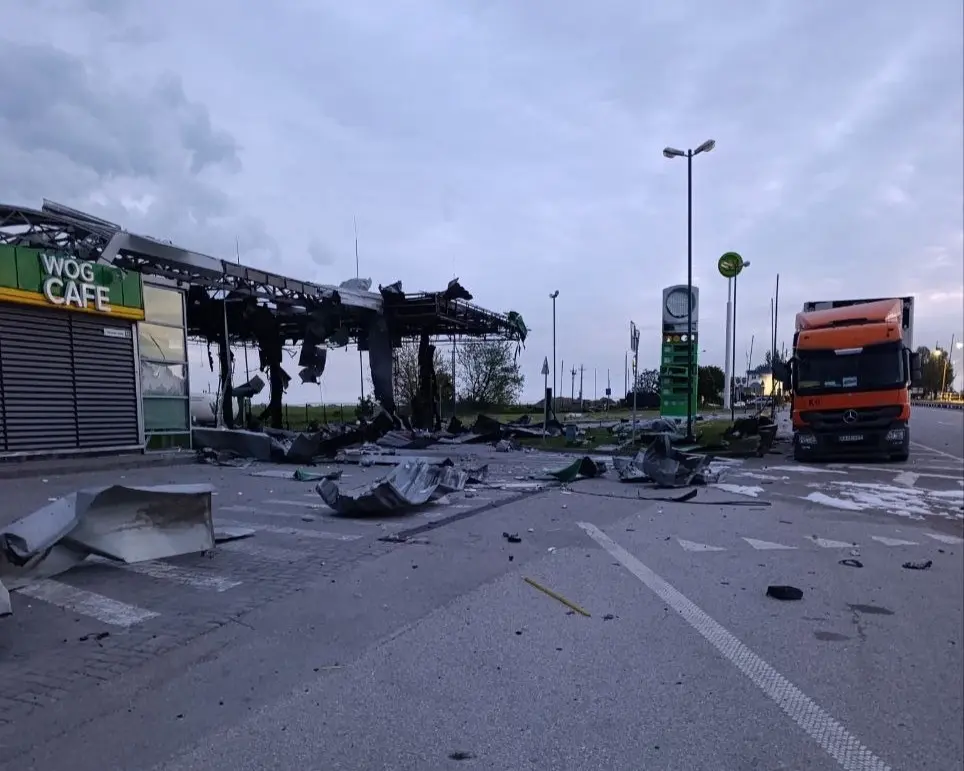
The extent of destruction varies significantly depending on the location. Some facilities avoided direct hits but suffered damage from blast waves. In other cases, direct strikes and damage caused by debris from downed UAVs or nearby explosions were reported. There have also been instances where fuel complexes were completely destroyed.

Among the most recent recorded strikes reported by NaftoRynok were the June 8 attack that hit several filling stations in the Chernihiv region; the fire at a filling station in Kyiv on June 2; UAV strikes on three filling stations in Kharkiv and the surrounding region on May 1 and another station on April 21; and the strike on a WOG filling station complex in Zaporizhzhia on May 18. Unfortunately, there have also been fatalities, including the tragedy at the OKKO filling station in the Kherson region.
The advance of Russian forces in the Donetsk region has made the continued operation of the Route 20 fuel station chain impossible.
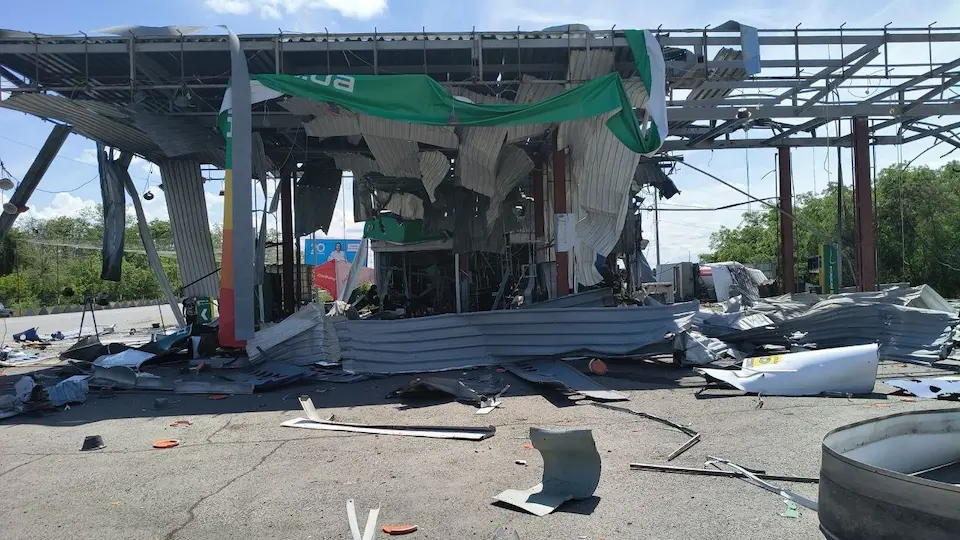
At the same time, the experience of operators demonstrates the effectiveness of engineering protection structures. Thanks to passive protection measures, a significant share of enemy drones become trapped or explode in protective nets, reducing up to 50% of UAV-related threats. In frontline regions, station stores are also protected with sandbags.
A new trend is the vulnerability of above-ground fuel storage tanks. Among the latest examples is the Patriot modular filling station in Zaporizhzhia that burned down after a drone strike. Fuel retailers are removing LPG modules from frontline stations and, when designing new sites or reconstructing older ones, are opting exclusively for underground storage tanks.
Despite all the damage, fuel station operators continue restoring affected locations. For example, BRSM managed to reopen a completely burned-out filling station in Kyiv in almost a single day, while WOG stations are ready to resume fuel sales after only minor cosmetic repairs.

While preparing this report, NaftoRynok analyzed and interviewed the following fuel station networks:
- UKRNAFTA
- OKKO
- WOG
- UPG
- BRSM-Nafta
- Marshal
- BVS
- Amic
- SVR
- Ovis
- EURO5
- Patriot
- Energy Point
- KLO
- Parallel
The highest number of attacked filling stations was recorded in the Sumy, Kharkiv, Donetsk, Zaporizhzhia, and Kherson regions, as well as in Kyiv.